
Arrest Records in Mills County
Mills County arrest records can begin with the Mills County Sheriff, Glenwood Police Department, Iowa State Patrol, or another state or federal agency. The arresting office holds its own enforcement report. If custody follows, the Mills County Jail creates an intake record. The Clerk of District Court starts a third file only if a criminal charge is filed. These files overlap, but none is a full substitute for the others.
The sheriff covers unincorporated Mills County and contracted towns, including Malvern under its chapter 28E arrangement. Glenwood has the only separate police department among the county’s three largest cities. State Patrol may handle highway enforcement. A person arrested by any of those local channels may be booked at the county jail, so the jail is often the best first routing call when the originating agency is not known.
Mills County Arrest Lookups
No verified Mills County online booking log, warrant list, sheriff app, or public jail roster was found. The working route is therefore a chain of official calls, searches, and custodian requests. Start with the source closest to the event, then use the other records to confirm what happened after intake.
- Call Mills County Jail at 712-527-4275. Ask whether the person is presently held and what public booking, charge, bond, or court-routing details staff can provide.
- Identify the arresting agency. Request the arrest or incident report from the sheriff, Glenwood Police, Iowa State Patrol, or other office that created it.
- Search Iowa Courts Online with the Mills County filter. A filing may lag behind a same-day booking.
- For a broader Iowa history, request an Iowa DCI name and date-of-birth check. It costs $15 per last name and is not a same-day custody tool.
- When a direct call does not provide the needed public record, send a narrow Iowa Code chapter 22 request to the agency that holds it.
A written sheriff request can be sent by mail or fax, or presented at the counter. Phone is useful for routing. Mills County has no universal online request form. Include requester contact details, return method, event date and place, record type, agency, and a report or booking number if known. Ask about fees, redaction, and payment before production because the county does not publish a criminal-report fee schedule.
Mills County Arrest Agency Split
The key question is who made the arrest. For unincorporated areas and contracted towns, contact the Mills County Sheriff at 712-527-4871. For a Glenwood event, the city open-records policy lists the police chief as lawful custodian at 3 N. Vine Street and 712-527-9920. The city’s current general page instead lists 5 N. Vine and 712-527-4717, so call first. For a highway stop by State Patrol, use the Iowa DPS records channel.
| Record sought | First official source | Fallback |
|---|---|---|
| Current local custody | Mills County Jail | Sheriff records request |
| Sheriff or contracted-town report | Mills County Sheriff | County public-information routing |
| Glenwood police report | Glenwood Police custodian | Call city contacts to confirm address |
| Filed charge or disposition | Iowa Courts Online | Mills County Clerk of District Court |
| State Patrol report | Iowa DPS | Use jail and court records for custody and case |
This split prevents a common error. The jail can confirm intake, but it may not hold the originating officer’s full narrative. The court clerk can show a filed charge and result, but cannot replace the law-enforcement report.
Arrest Records: What They Contain
An agency arrest file and a Mills County booking record are related but different. Agency records can include arrest date, time, place, authority, alleged offense, officer, identifiers, transport, and narrative. Jail intake adds custody processing, such as identity confirmation, property inventory, screening, fingerprints, photograph, charge or warrant entry, classification, bond, placement, and release events. Research did not inspect a public Mills County profile, so these are record categories, not a promise that each field will be disclosed.
| Arrest date and place | Shows when and where the enforcement action occurred, if released by the custodian. |
|---|---|
| Arresting agency | Identifies the office that created the arrest report and should receive the report request. |
| Legal authority | May state whether custody followed a warrant, observed offense, or other legal basis. |
| Alleged charges | Lists intake allegations, which can differ from later prosecutor-filed counts. |
| Booking identifier | Links the jail intake event when that identifier is public and available. |
| Bond and custody status | Can reflect release terms or current holding status, subject to agency disclosure. |
| Photo and fingerprints | Created during intake, but no verified Mills public web field or release policy was found. |
| Release event | May record transfer, bond release, court release, or another custody change. |
Investigative facts, protected identifiers, victim and minor data, and some images may be redacted or withheld. Iowa Open Records Law does not make every active investigative file public in full. Ask for the releasable portion rather than assuming that the whole report must be produced.
Mills County Arrests and DCI
Fingerprints and reportable arrest data can flow from Mills County agencies to the Iowa Division of Criminal Investigation. Courts and agencies later report dispositions. The DCI history is therefore a statewide repository product, not a live jail roster. A county docket may show a filing or result before it reaches DCI, while a DCI file may retain a fingerprint-supported arrest cycle that is not visible in a basic public court search.
An Iowa DCI public check uses first name, last name, and exact date of birth. The fee is $15 for each last name or alias searched. A signed subject release is not legally required, but it changes what DCI may provide. Without one, DCI withholds completed deferred judgments and arrests more than 18 months old that lack a final disposition from non-law-enforcement requesters. The product covers Iowa records, not other states or the FBI.
DCI accepts requests online, by mail, fax, email, and in person. It does not take requests by telephone. Both the request and billing forms must be complete. Online payment uses a card or DCI account, while the other documented channels can also use cash, check, or money order as DCI permits.
Recent Mills County Bookings
Mills County does not publish a verified web booking blotter or roster. Do not substitute a private mugshot gallery or people-search service. For a recent arrest, call the jail at 712-527-4275 and ask only for public custody information. Staff may limit what they disclose by phone. A written booking request through the sheriff is the next step when more detail is needed.
The official Mills County jail FAQ documents jail contact, mail, telephone, and visitation practices.
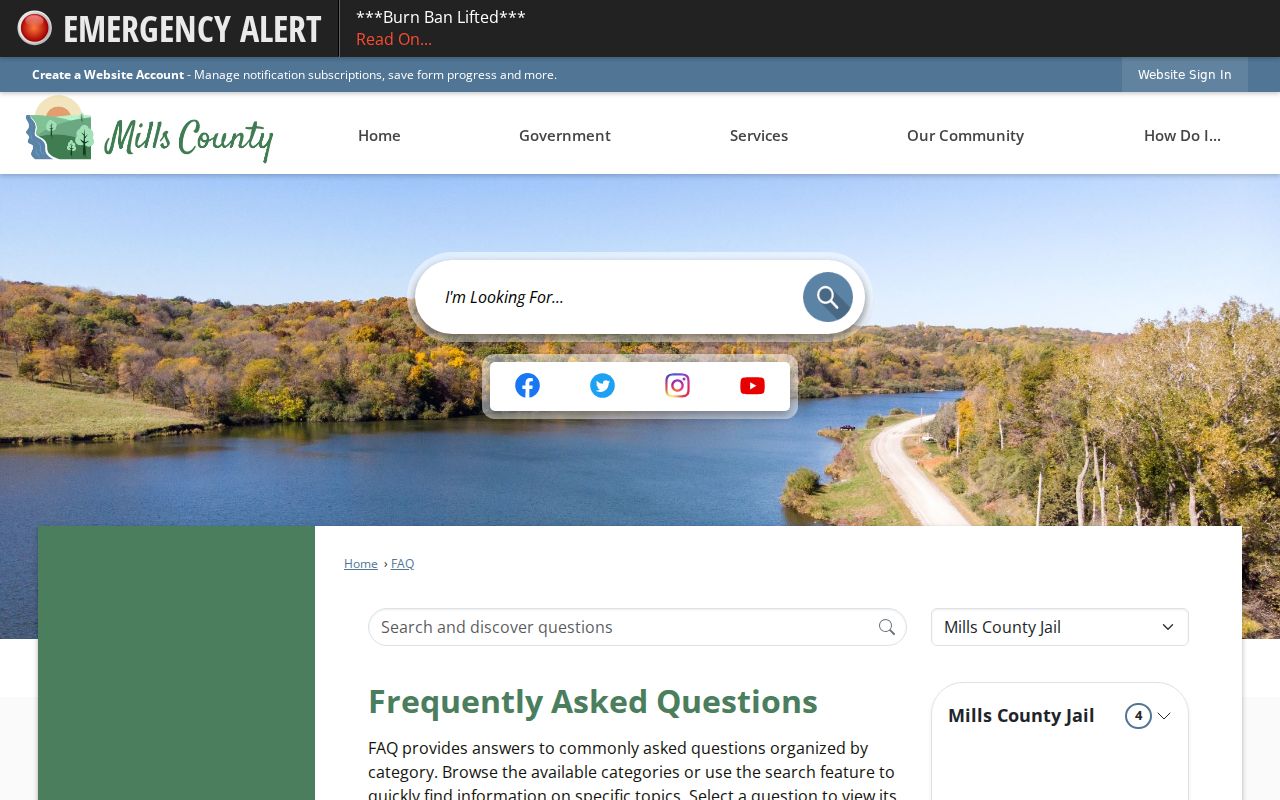
The official page supports direct jail contact, which matters because no county booking search is available on the web.
Absence from current custody does not prove that no arrest occurred. A person may have been cited and released, bonded out, transferred, or booked and released before a call. Check the arresting agency’s report channel and the Mills County court docket for a broader trail.
When Mills Charges Are Missing
A same-day Mills County arrest may have no court case yet. Jail intake begins with physical custody, while a judicial docket starts after a complaint or other charge reaches the court. Search Iowa Courts Online again after time for filing, or call the Clerk of District Court at 712-527-4880. Give the name and any case or booking reference available.
If a docket appears, read the prosecutor-filed counts rather than copying the booking allegations. Each count can be amended, dismissed, or resolved on its own. The Mills County court case lookup follows the docket from filing through judgment and sentence.
Note: A booking can precede a court case, and some arrests never produce a filed Mills County criminal charge.
Arrest Records vs Conviction Records
An arrest record shows an enforcement or custody event. A conviction record shows a judgment of guilt after a plea or verdict. Mills County agencies and the jail create the first set. The Iowa District Court creates the judgment, and DCI may receive the reported outcome. A dismissal, acquittal, deferred judgment, or amended charge can make the final court result quite different from the initial booking entry.
| Point | Arrest record | Conviction record |
|---|---|---|
| Created by | Arresting agency and, after intake, Mills County Jail | Iowa District Court, with outcome reporting to DCI |
| What it establishes | An arrest, citation, or booking event occurred | The court entered a judgment of guilt |
| Best source | Agency report, jail contact, or sheriff request | Iowa Courts Online and Mills County clerk |
| Possible later result | Release, no filing, dismissal, or changed charge | Sentence, appeal, or qualifying expungement |
Note: An arrest is not proof of guilt, and the court disposition is the source for the final result.
Mills County to State Custody
The Mills County jail is a local custody source. It does not replace the state locator after transfer to an Iowa prison or supervision. Iowa Offender Search is the official next layer for sentenced state custody, probation, or parole information. Public fields are controlled by Iowa Code section 904.602 and can include status, a non-home location, supervision duration, offense, and county of commitment. The official state entry shows where a Mills County arrest search shifts after a state sentence.
This state search answers a later custody or supervision question, not whether someone is in the Mills County Jail today.
Federal custody uses a separate system. The Federal Bureau of Prisons Inmate Locator covers federal prisoners, not Iowa state facilities or the county jail.
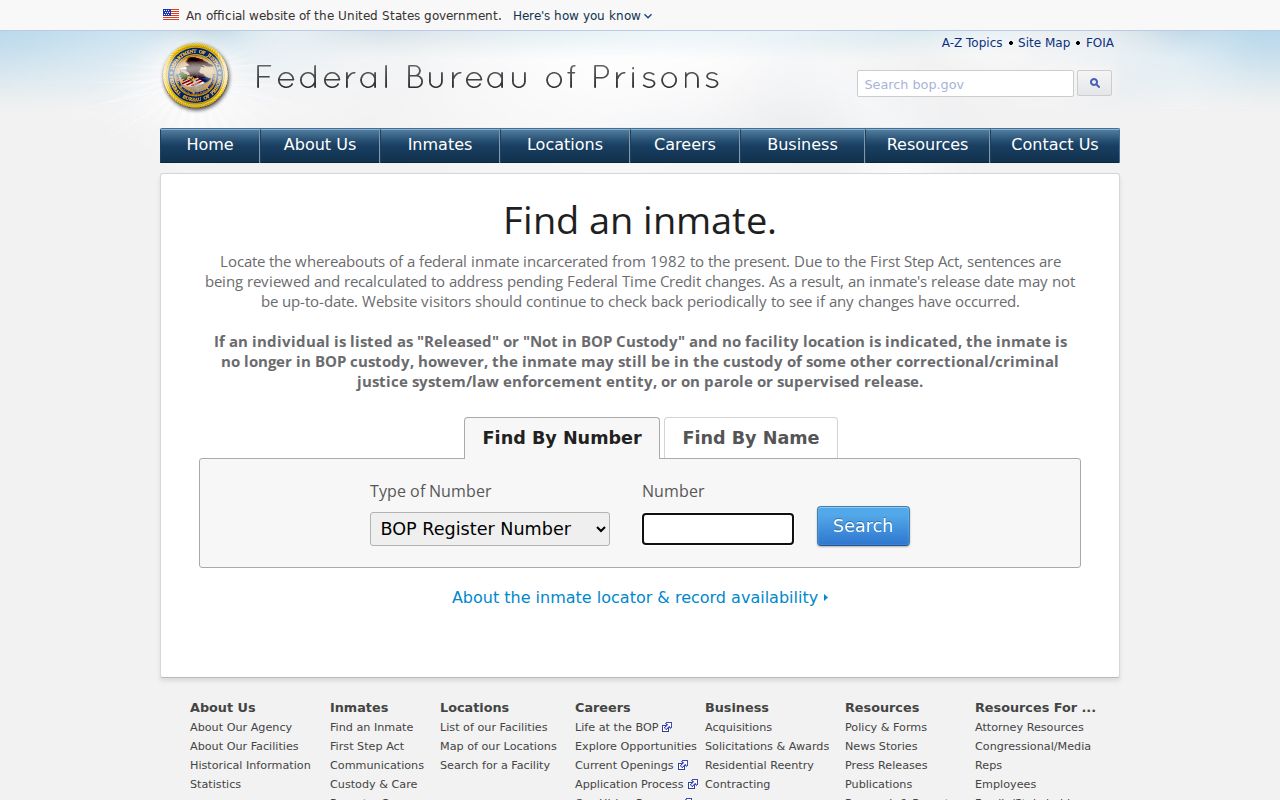
The federal locator belongs at the end of the chain only when the case or custody moved into the federal system.